
Blood Oath: Three Kingdoms
YOLO AI PTE. LTD.Card
4.2140.00 Reviews
- Version
- 1.0.5
- Installs
- 10.00K
- Age Rating
- Teen
Screenshots
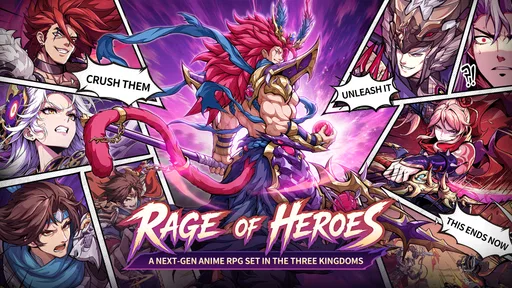
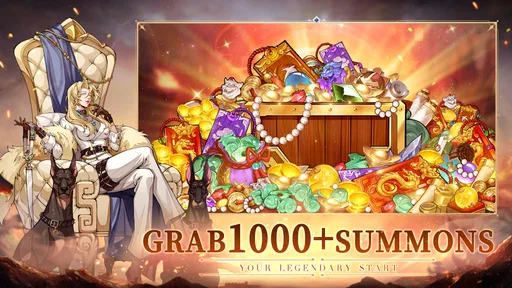
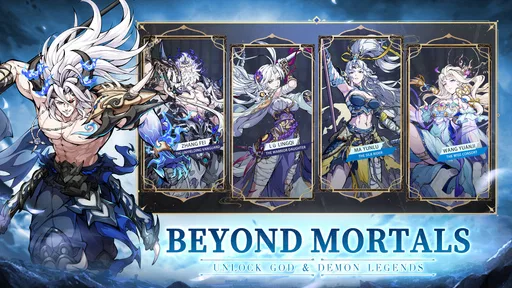

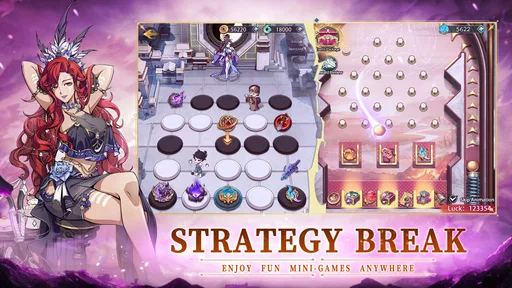


Our Review of Blood Oath: Three Kingdoms
 Analysis by Appyee
Blood Oath: Three Kingdoms is a free card game from YOLO AI PTE. LTD. that aims to make its first impression through a dramatic Three Kingdoms setting rather than a quiet, traditional card-table mood. I found it most appealing when I treated each match as a short strategic challenge: read the situation, decide which cards matter now, and avoid spending every useful option too early. The store summary promises a world of legends, but the practical question is simpler: can a first-time player understand what to do and feel progress without needing to study a manual?
My answer is cautiously positive. The game has the kind of theme that can pull you through an unfamiliar card system, and its Teen content rating signals that it is aimed at an older audience than a purely family-friendly card title. It is free to start, which makes trying it easy, although optional purchases ranging from $0.99 to $99.99 per item mean I would approach the economy carefully. The best way to begin is to learn the decision rhythm before worrying about collecting everything.
What to expect when you first enter Blood Oath
The first thing I would tell a new player is not to expect a simple game of matching cards or relying only on luck. Blood Oath: Three Kingdoms presents itself as a themed strategy card experience, so the enjoyment comes from connecting the cards you draw with the moment in the battle. A strong card used at the wrong time can be less valuable than an ordinary option saved for the right turn.
That makes the game a better fit for players who enjoy experimenting. If you normally play card games only for quick relaxation and dislike learning unfamiliar interactions, the opening sessions may feel busier than expected. On the other hand, if you like discovering why one choice worked and another failed, the Three Kingdoms backdrop gives those decisions more personality than a generic deck of symbols.
The audience response suggests that the game has already attracted a modest group of players, with an average rating of 4.2 from around 2.3 thousand ratings. I would read that as encouragement rather than a guarantee. Card games often divide players according to how much explanation they want, how patient they are with progression, and how comfortable they feel with optional spending.
It is also worth setting expectations about maturity. The Teen rating means I would not install it for a young child without checking the experience personally first. For an older player, that rating fits the more serious tone suggested by the title and setting. The game is free to download, but free entry does not automatically mean every part of the long-term experience will feel equally generous.
How I would approach the opening session
I would start with one clear goal: understand the basic win condition and identify what each card is trying to do. I would not spend the first session trying to build a perfect collection. That approach creates unnecessary pressure and makes it harder to tell whether a loss came from weak cards, poor timing, or simply not understanding the rules.
Instead, I would play the early encounters as a tutorial even if the game presents them as ordinary matches. Notice which cards affect the immediate board, which ones appear better when held, and whether the game rewards a particular order of play. These observations are more useful than memorizing individual names because they help you adapt when your available options change.
One useful habit is to pause before committing your strongest-looking card. Ask what problem it solves and whether a cheaper or less impressive card would accomplish the same thing. In many card games, beginners lose not because they lack power, but because they spend power before the opponent creates a real threat. That is the first strategic lesson I would carry into this game.
Setting up without making the beginning harder
The installation requirements are approachable for older devices: the game supports Android 7.0 or later. That makes it accessible to people who are not using a recent phone, although actual comfort will still depend on the handset, available storage, and how smoothly it handles the game. I would close other demanding apps before the first session, especially if the phone is older, because a card game is much easier to judge when the interface responds promptly.
After opening the game, I would take a moment to read every introductory prompt instead of tapping through automatically. In a card title, early explanations often establish the vocabulary used later. Skipping them can leave you wondering whether a symbol represents damage, defense, a temporary effect, or a condition that lasts beyond the current turn.
I would also avoid making purchase decisions during the excitement of the opening sequence. The available in-app purchases span from $0.99 to $99.99 per item, a wide enough range that a new player should understand the progression loop before paying. My recommendation is to play several sessions first, decide whether the core decisions are genuinely enjoyable, and only then consider whether an optional purchase improves your experience.
This is particularly important for anyone who shares a device or payment account with family members. The game is free to begin, but the presence of higher-priced items means I would use the operating system’s purchase controls and make sure the person playing understands that free installation and optional spending are separate choices.
A practical first-session routine
My preferred setup would be simple. I would play the first match with sound at a comfortable level, keep the tutorial text visible, and avoid switching between multiple apps. Then I would replay or continue until I could explain the basic turn flow in my own words. If I could not describe why a card helped, I would treat that as a sign to slow down rather than rush toward the next reward.
I would also keep a mental note of moments that caused hesitation. Was the confusing part the card effect, the order of actions, the objective, or the reward screen? Each type of confusion needs a different response. Re-reading a card will not help if the real problem is that the interface does not make the next objective obvious.
A small but valuable technique is to use the opening matches to test one variable at a time. In one attempt, focus on playing defensively. In another, try using your strongest option early. This turns losing into useful information and helps reveal which decisions are reliable instead of leaving you with the vague feeling that the result was random.
Finding the first meaningful success
For a new player, the first meaningful success should not be defined as collecting a rare card or finishing the opening sequence quickly. I would define it as winning a match because of a deliberate choice. Perhaps you held a useful card until the opponent committed, or you recognized that a defensive move created a better follow-up. That kind of win teaches you something you can repeat.
To reach that point, I would concentrate on three questions during every turn. What is the immediate threat? Which card answers it most efficiently? What will I still have available afterward? The third question is the one beginners often skip. A move can look excellent in isolation and still leave you unable to respond on the following turn.
Another concrete tip is to compare the value of a card now with its possible value later. If the opponent is not presenting serious pressure, saving a flexible card may be wiser than using it simply because it is available. Conversely, holding everything forever is also a mistake. The skill lies in recognizing when the current situation justifies spending a resource.
I would not worry if the first victory takes several attempts. A card game with a strong theme can make every defeat feel like a story beat, but the useful part is identifying the decision that changed the outcome. After a loss, choose one turning point to review. Did you commit too many options at once? Did you ignore a warning? Did you misunderstand a card? One answer is enough to guide the next match.
Using everyday play time wisely
Blood Oath: Three Kingdoms seems best suited to short, focused sessions rather than distracted background play. Imagine having a break between errands or a quiet part of an evening. I would play one or two matches, stop after a clear result, and remember the lesson from that session. This is more productive than playing while answering messages and then blaming the game when a key action is missed.
For someone commuting or playing in brief gaps, the important question is whether the game lets you understand the state of a match quickly. If you often have only a few minutes, begin with a low-pressure session rather than starting a serious challenge immediately. That gives you time to inspect the interface and reduces the frustration of being interrupted halfway through an important decision.
For a longer evening session, I would alternate between playing and reviewing. After a few matches, stop and ask which cards or choices repeatedly caused trouble. This creates a personal learning loop without requiring external guides. It also helps distinguish a genuine weakness in your strategy from a single unlucky result.
Common confusion and the friction behind it
The most likely early confusion is understanding what the game expects you to prioritize. A dramatic card name or powerful-looking effect can draw attention away from the actual objective. I would always read the current goal before choosing a move, then check whether the card advances that goal or merely looks impressive.
Another source of friction is the difference between immediate impact and lasting value. Some cards are satisfying because their result is visible at once. Others may be useful because they preserve options, prepare a later turn, or prevent a larger problem. If you judge every card only by its immediate effect, the game may seem unbalanced when it is really asking you to think one step ahead.
New players may also confuse progress with power. Unlocking or receiving something new can feel like proof that the deck is improving, but a larger collection does not automatically produce better decisions. I would test new cards in situations where their purpose is clear, rather than replacing familiar options after every reward. Stability makes it easier to learn.
The free-to-play structure deserves similar caution. Because optional items can cost as much as $99.99, I would not assume that purchasing something is necessary just because it is displayed prominently. First determine whether the core matches are enjoyable with ordinary progression. If the answer is no, spending more will not fix a lack of interest in the basic gameplay.
When another card game may suit you better
I would choose a different card game if I wanted a completely familiar ruleset, a purely casual experience, or a title with no concern about optional purchases. Blood Oath: Three Kingdoms is more attractive when its setting and strategic learning curve are part of the appeal. Players who prefer traditional solitaire, straightforward matching, or a calm game with minimal reading may find a simpler alternative more comfortable.
I would also look elsewhere if my main priority were a deeply established competitive scene or a broad collection of community-created strategy resources. This game has a rating of 4.2 and more than 10 thousand installs, which shows meaningful interest, but those figures do not by themselves promise the same depth of public knowledge found around long-running card franchises.
On the other hand, the game has a clear advantage over a generic card app for players who want a sense of place. The Three Kingdoms identity gives the choices a narrative flavor, and that can make the learning process feel more rewarding. I would recommend it to someone who wants strategy with a historical-fantasy atmosphere, provided they are willing to learn rather than expecting instant mastery.
What to do after the first success
Once I had won a match through a deliberate decision, I would resist the temptation to change everything. Keep the approach that worked, then adjust one card or one habit at a time. This makes improvement measurable. If you alter the entire deck after every defeat, you will not know which change helped.
The next step should be identifying your preferred style. Do you enjoy controlling the pace, responding to threats, taking risks, or building toward a stronger later turn? Even without assigning a formal label to that style, recognizing it helps you choose cards that support how you naturally think. A deck that looks powerful on paper can feel awkward if every decision fights your instincts.
I would also set a personal spending rule before becoming invested. For example, decide that you will remain free-to-play until you understand the progression and can explain what a purchase changes. If you eventually spend, do it because the game has already earned your attention, not because a difficult match created a moment of frustration.
Version 1.0.5 is the version I would expect to see when installing the current release, and I would keep the app updated through the normal store process. Updates can affect balance, interface behavior, or the way new players move through the opening, so advice from an older session may not always remain perfectly accurate. I would trust what the current game teaches me first.
My final recommendation is measured but clear. Blood Oath: Three Kingdoms is worth trying if you want a themed card game that rewards patience, observation, and careful timing. It is not the best choice for someone seeking instant simplicity or a completely purchase-free environment. Start slowly, treat the first matches as lessons, protect your budget, and judge the game by whether its decisions remain interesting after the novelty of the setting fades. If they do, the free entry gives you a sensible way to continue exploring a world built around legends and tactical card play.
Verdict
Strengths of Blood Oath: Three Kingdoms
- Fast-paced battles that fit well into short gaming sessions.
- Large roster of legendary Three Kingdoms heroes to collect.
- Multiple game modes provide variety beyond the main campaign.
- Stylish character designs make the visual presentation stand out.
- Strategic team-building rewards experimenting with different lineups.
Limitations of Blood Oath: Three Kingdoms
- Progress can become heavily dependent on upgrading and summoning heroes.
- Frequent menus and systems may feel overwhelming for new players.
- Some battles rely more on team power than hands-on tactical control.
- Higher-tier characters may take considerable time or resources to obtain.
- Online features require a stable connection to work properly.
Similar Picks in This Category
View All
Solitaire - Classic Card Games
MobilityWare4.6

UNO!™
Mattel163 Limited4.3

Spider Solitaire: Card Games
MobilityWare4.6

Solitaire.com - Classic Cards
Tripledot Studios Limited4.7

Plants vs. Zombies™ Heroes
ELECTRONIC ARTS4.1

Hearthstone
Blizzard Entertainment, Inc.4.1
Frequently Asked Questions
What is Blood Oath: Three Kingdoms?
Blood Oath: Three Kingdoms is a mobile strategy role-playing game inspired by the legendary Three Kingdoms period. You recruit famous generals, build and upgrade your kingdom, form teams, and fight through story stages, challenges, and competitive modes. The game combines character collection, turn-based or automated battles, resource management, and long-term progression, making it suitable for players who enjoy historical fantasy and hero-building games.
How does the combat system work in Blood Oath: Three Kingdoms?
Combat focuses on assembling a balanced team of generals with different roles, abilities, and faction relationships. Before each battle, you typically arrange your lineup and improve your heroes through equipment, levels, skills, and other progression systems. Battles may include automated actions, but team composition and preparation remain important. Understanding damage dealers, defensive units, support characters, and skill timing can make a significant difference.
Is Blood Oath: Three Kingdoms free to download and play?
Blood Oath: Three Kingdoms can generally be downloaded and played without an upfront purchase, although the game may include optional in-app purchases. These purchases can provide premium currency, summoning opportunities, upgrade materials, or time-saving items. Free players can still progress by completing missions and collecting rewards, but advancement may require more patience, especially in competitive modes where paying players can gain resources more quickly.
Does Blood Oath: Three Kingdoms require an internet connection?
An internet connection is normally required because Blood Oath: Three Kingdoms relies on online accounts, server-based progression, events, rewards, and multiplayer or ranking features. Even when you are playing a story battle alone, the game may need to connect to verify progress and synchronize your account. Players should also expect occasional maintenance, updates, or connection problems that can temporarily prevent access.
Is Blood Oath: Three Kingdoms suitable for casual players?
The game can work well for casual players because many activities use automated combat, daily missions, idle rewards, and quick progression tasks. However, it also contains several systems to learn, including hero upgrades, equipment, formations, factions, events, and competitive content. Casual users can enjoy collecting characters and completing campaigns, but players seeking the strongest teams may need regular logins and careful resource management.
Play our best games!


